Fuel prices and electric cars: What drivers should know
-
Over the past few years, many drivers have noticed fuel prices fluctuating, often rising in response to global events and uncertainty. These increases can place added pressure on household budgets and make everyday travel more expensive.
At times like this, it’s understandable that people start thinking more carefully about how much it costs to run their car. While there is no single solution for everyone, one area that continues to attract interest is electric vehicles (EVs) and the potential savings they can offer over time.
Importantly, this conversation is not about reacting to difficult global circumstances. Rather, it’s about helping drivers understand their options and make informed choices about the long-term running costs of their vehicles.
-
Why fuel prices can change so quickly
Fuel prices are influenced by a range of global factors including oil supply, refining costs, currency exchange rates and international events. Because the oil market operates globally, changes happening thousands of miles away can quickly affect the price drivers pay at the pump here in the UK.
For many motorists, this means fuel costs can feel unpredictable — something that makes budgeting for travel more difficult.
The running cost advantage of electric vehicles
One of the reasons electric vehicles have become more popular in recent years is the potential for lower running costs, particularly when compared to petrol or diesel cars.
Electric cars are powered by electricity stored in a battery rather than fuel burned in an engine. This means the cost per mile can often be significantly lower, especially when charging at home.
While exact costs depend on electricity tariffs and driving habits, many EV drivers find that charging their vehicle overnight can cost considerably less than filling a petrol or diesel tank.
-
Home charging and everyday running costs
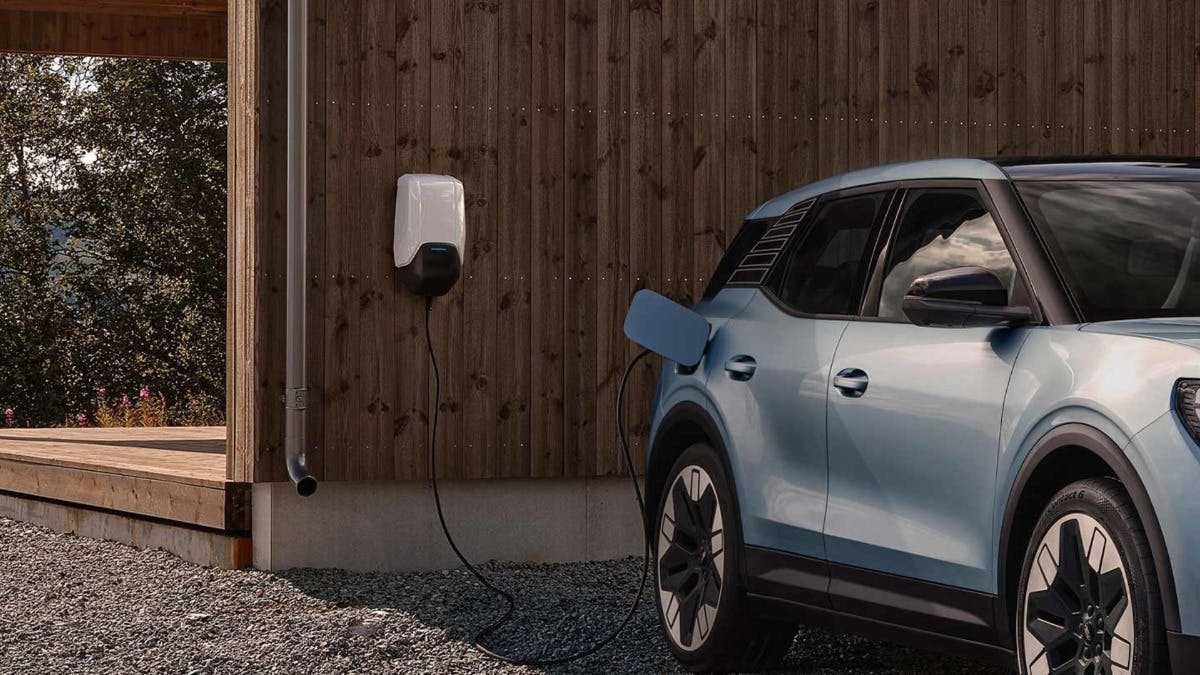
One of the biggest advantages many EV owners discover is the ability to charge at home. With dedicated EV electricity tariffs, charging costs can be significantly lower than petrol or diesel.
In some cases, charging overnight on an EV tariff can work out at as little as around 3p per mile, depending on the vehicle and electricity rate. For drivers who cover regular daily miles, this can make a noticeable difference to overall running costs compared with traditional fuel.
-
Using pre-conditioning to maximise efficiency
Many electric vehicles also include a feature called pre-conditioning, which can further improve efficiency and comfort.
When your EV is plugged in and charging at home, pre-conditioning allows you to pre-heat or pre-cool the cabin before you start your journey. Because the car is using electricity directly from your home rather than the battery, it helps preserve the vehicle’s driving range.
In colder weather, pre-conditioning can also warm the battery itself, helping it operate more efficiently and improving overall driving range.
For many EV drivers, this small feature quickly becomes one of the most appreciated day-to-day benefits of electric ownership.
-
Fewer moving parts, less routine maintenance
Electric vehicles also tend to have fewer moving mechanical parts than traditional internal combustion engine vehicles. Because of this, they often require less routine maintenance.
For example, EVs do not need:
- Engine oil changes
- Exhaust system repairs
- Timing belts
They still require servicing — including checks on tyres, brakes, suspension and battery health — but overall maintenance can sometimes be simpler.
-
EV technology is improving rapidly
Modern electric vehicles have also improved significantly in terms of:
- Driving range
- Charging speed
- Battery durability
- Technology and connectivity
Many EVs now comfortably cover the daily driving needs of most motorists, whether commuting, school runs or local travel.
Charging infrastructure has also expanded across the UK, making it easier to charge at home, at work, or while travelling.
-
Choosing the right car is still personal
Despite the benefits, electric vehicles are not automatically the right choice for everyone. Factors such as driving distance, home charging availability and personal preference all play a role.
Some drivers may still prefer petrol, diesel or hybrid options depending on how they use their vehicle.
The key is understanding the full picture of ownership costs — including fuel or electricity, servicing, tax and insurance.
-
Exploring your options
As the automotive industry continues to evolve, drivers now have more choice than ever before — from efficient petrol engines to hybrids and fully electric vehicles.
At County Garage, our aim is simply to help customers understand those options and choose the car that best suits their needs. Whether that’s petrol, hybrid or electric, the most important thing is finding a vehicle that works for your lifestyle and budget.
If you’re curious about electric vehicles or would like to understand how they compare to traditional cars, our team is always happy to offer guidance.